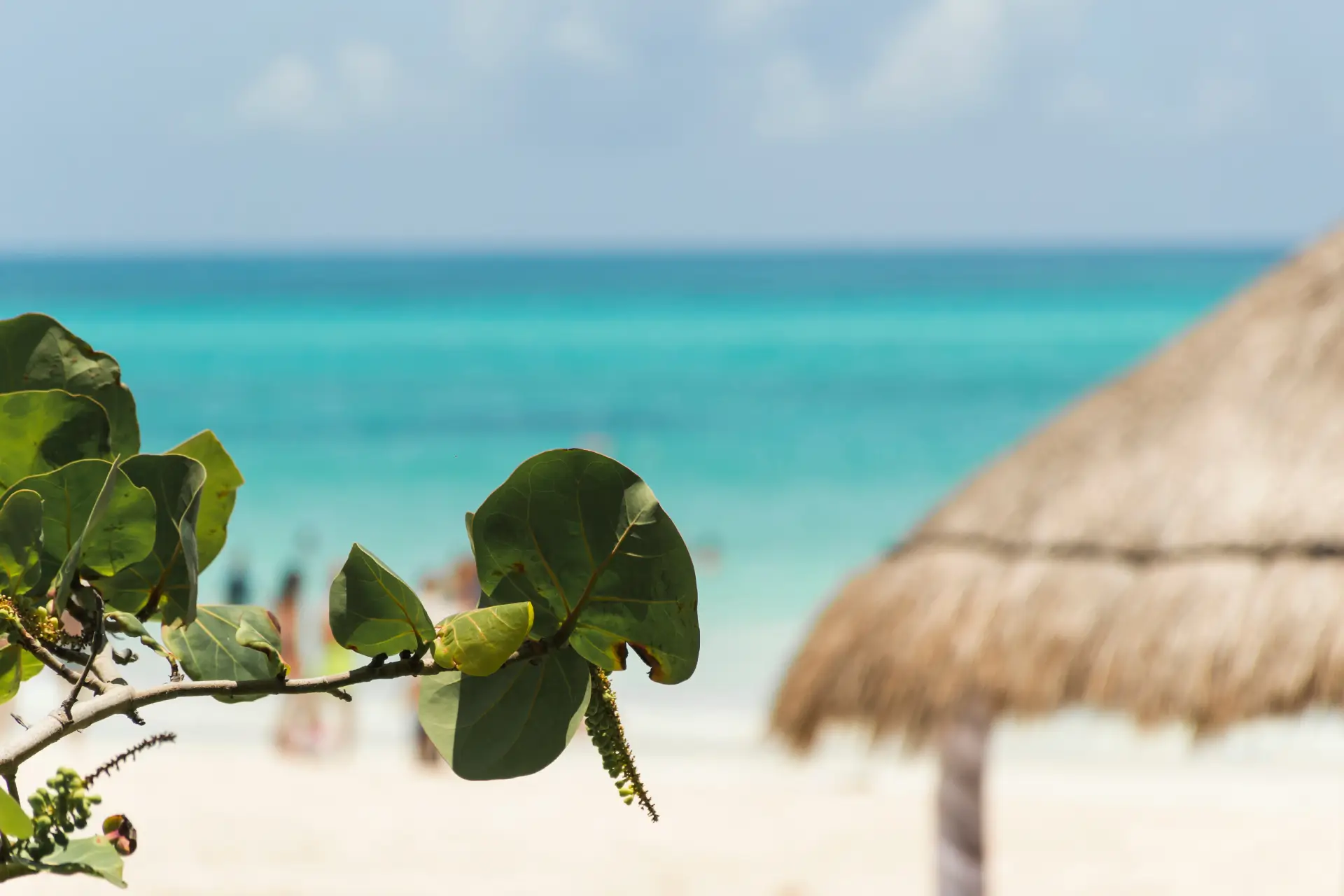



During Tulum turtle season, the beach feels different. The shoreline keeps its breathtaking beauty, of course, but it also takes on a much subtler, quieter significance, as it becomes part of a natural cycle that has shaped this coast for generations. At this time of year, wildlife on Tulum beach is more than ever an essential presence, woven into the rhythm of the place itself.
For guests staying by the sea, such moments create a rare kind of experience. There is something deeply memorable about watching the shore with greater attention, knowing that meaningful activity may be unfolding there after sunset and through the night. It invites a slower, more thoughtful way of being present, shaped by calm, respect and sensitivity to the rhythms of the coast.
When to see turtles in Tulum
For travelers wondering when to see turtles in Tulum, the main nesting season usually runs from May through October, with the highest activity often seen between June and September. During these months, the coastline becomes part of the wider sea turtle nesting cycle in Tulum and beachfront stays can coincide with protected nesting areas, lower evening lighting and a quieter rhythm along the shore.
Hatchlings tend to appear later in the season, often from July into October, so summer and early fall can be especially meaningful times to visit. That is also when guests may have a chance to witness one of the most memorable moments of all: baby turtles in Tulum beginning their journey toward the sea.
As with all wildlife experiences, exact timing can vary slightly depending on the species, the beach and natural conditions across the season.
The three sea turtle species most closely associated with the Tulum coast
Along the Tulum and Akumal coastline, the three sea turtle species most commonly associated with nesting season are the green turtle, the loggerhead and the hawksbill.
Green turtles are usually pretty recognizable by their smoother, more rounded shells and gentler profiles, while loggerheads stand out for their broader heads and stronger, heavier build. Hawksbills are generally the easiest to distinguish thanks to their narrower, beak-like mouth and more defined shell patterning.
Together, these species are part of what makes the local shoreline so significant during nesting season, adding further depth to the natural rhythm that returns to the beach each year.
Why Tulum is one of the most meaningful places to witness this cycle
The coastline of Tulum is part of an important nesting corridor along the Mexican Caribbean, which is why sea turtle nesting in Tulum carries such meaning each year. Here, the beach is both an extraordinary setting for residents and visitors but also a crucial element of a seasonal rhythm shared by marine wildlife, local conservation efforts and the communities that live and host along the shore.
Protected nesting areas, reduced evening lighting and active monitoring programs all reflect a broader awareness of the local ecosystem. For travelers, this widespread sensitivity provides a quieter and more intentional way to experience the destination: less about spectacle, more about being genuinely present in the moment.
What unfolds on the beach after dark
Much of the seasonal ritual begins when the shoreline is at its quietest. After nightfall, female sea turtles come ashore and move slowly across the sand in search of a suitable place to nest. There, they dig carefully, lay their eggs, cover the nest and return to the sea, often leaving behind little sign of what has just taken place unless the area is later identified and protected. For most sea turtle species, nesting occurs principally at night, which is part of what gives these beaches adistinct atmosphere during the season.
Once nests are located, local conservation teams may mark them with signs, stakes or roped-off areas to keep them undisturbed. Weeks later, the hatchlings emerge and begin one of the most delicate moments in the life cycle: their first journey toward the water.
At that stage, natural light is essential: hatchlings orient themselves toward the brighter horizon over the ocean and this is why darkness along the beach remains such an important part of protecting them during sea turtle nesting in Tulum.
Why darkness matters so much during sea turtle season
Darkness is a crucial part of the nesting environment. As explained, female sea turtles tend to favor quieter, less illuminated stretches of shoreline when they come ashore to nest and hatchlings rely on natural light cues reflected over the sea to find their way toward the water. When strong artificial lighting is visible from the beach, that natural orientation can become less clear, affecting one of the most delicate moments in the cycle.
That is why, during turtle season, many attentive beachfront properties take maximum care to reduce, shield or soften visible lighting and encourage guests to do the same in rooms and outdoor spaces facing the shore. At The Beach Tulum Hotel, such awareness is part of a more thoughtful beachfront experience during turtle season, where comfort and care for the surrounding environment must naturally go hand in hand.
Sea turtle nesting in Tulum: the importance of distance, silence and care
The most meaningful encounters on the shoreline are often the quietest ones. During turtle season, an especially privileged way to experience wildlife on Tulum beach is to remain gentle in your presence and allow the moment to unfold on its own terms.
A few simple habits help protect nesting females, marked nests and baby turtles in Tulum while preserving the calm atmosphere that makes this experience so memorable. Here are some best practices to follow:
- Keep lights and screens as low as possible near the beach after dark. Artificial light can affect both nesting females and hatchlings.
- Avoid flash and bright photography. The most beautiful memories are often the ones you carry away quietly.
- Stay at a respectful distance and keep your voices low. Stillness is part of the experience.
- Never touch turtles, nests or hatchlings and always respect marked areas on the sand.
- Leave the beach clear overnight by removing personal items and anything that could interrupt the shoreline’s natural path.
- Follow the guidance of hotel staff and authorized conservation teams whenever observation is possible.
Local conservation efforts that help protect the shoreline
In the Tulum area, sea turtle season is supported by a quiet network of conservation work that continues throughout the nesting months. Monitoring teams, local organizations and trained volunteers help identify nests, mark protected areas and follow their progress over time so that the shoreline can remain as undisturbed as possible while this natural cycle unfolds. In the wider Akumal area, long-running sea turtle protection efforts have included nest monitoring, conservation management, research and volunteer support, underscoring the coordinated and constant care that underpins what guests may experience so briefly on the beach.
On the beachfront of The Beach Tulum Hotel, such care and dedication become part of the daily rhythm of the season. Sea turtles instinctively choose where to nest and often return to the same stretch of coastline where they were born, following a natural memory that brings them back year after year. During the last nesting season, around 80 nests were recorded on our beach: each one was carefully marked with signs indicating the date the eggs were laid and the estimated hatching period, while local biologists were informed so the nests could be included in the area’s monitoring work. As hatching dates approached, our security team checked the nests throughout the night, using infrared lights to avoid disturbing the turtles. When hatchlings emerged during the day, they were protected until evening and then released under the moonlight, when the natural glow helps guide them safely toward the sea.
This kind of work also creates opportunities for deeper understanding. In some cases, local programs offer talks, outreach activities and guided night walks led by experienced staff, helping visitors learn more about nesting season in a setting shaped by respect, observation and ecological awareness. Experiences of this kind can add depth to a stay in Tulum, offering a closer connection to the coastline and to the quiet, coordinated effort that helps protect it.
Among the best-known organizations in the broader area is Centro Ecológico Akumal, whose work has long supported sea turtle protection, education and community outreach along this part of the coast. Its presence reflects a wider local commitment to caring for the beaches, the nests and the seasonal wildlife that returns here each year.
The Beach Tulum Hotel: sea turtle season as a mindful moment within your holistic wellness journey
Paying closer attention to the shoreline can surely change the way Tulum is experienced. During turtle season, the beach invites a presence shaped by stillness and a deeper awareness of the natural world – something many of our guests come to see as part of a broader wellness journey, where wellbeing is inseparable from being fully present in a place.
At The Beach Tulum Hotel, comfort and privacy exist alongside a quieter relationship with the landscape. For travelers drawn to a more refined and mindful side of Tulum, the nesting season adds another layer to the stay: moments defined by calm, discretion and a stronger connection to the coast. It is a way of experiencing this stretch of the Mexican Caribbean that feels both deeply restful and meaningfully grounded.