


Christmas traditions in Mexico are closely connected to the country’s Catholic heritage, although celebrations vary between regions and families. The festive period begins in early December, gains particular importance with the Day of the Virgin of Guadalupe and continues until Día de la Candelaria on February 2.
Religious observances are accompanied by family gatherings and local customs that have developed over time. The following dates provide an overview of some of the best-known Mexican Christmas traditions.
When does the Christmas season begin in Mexico?
The Mexican holiday season does not have a single official starting date: in many communities, preparations begin during the first days of December and lead up to the celebrations in honor of the Virgin of Guadalupe.
From December 16, Las Posadas mark the final days before Christmas. The calendar then continues through Nochebuena, New Year’s Eve and Día de Reyes, before ending with the celebration of Candlemas.
The main Mexican Christmas dates and traditions
December 12: Day of the Virgin of Guadalupe
Celebrations in honor of the Virgin of Guadalupe take place throughout Mexico and culminate on December 12. In the days before the feast, pilgrims travel to churches and shrines dedicated to her, particularly the Basilica of Our Lady of Guadalupe in Mexico City.
According to Catholic tradition, the Virgin appeared to Juan Diego in 1531 on the hill of Tepeyac. Children may dress as Juan Diego during local celebrations and attend church with their families.
The Virgin of Guadalupe is both a religious figure and an important symbol of Mexican identity. More information about her historical and cultural significance is available from Mexico’s Instituto Nacional de Antropología e Historia.
December 16–24: Las Posadas
Las Posadas are held during the nine evenings before Christmas. They recall the journey of Mary and Joseph as they searched for shelter before the birth of Jesus.
Participants move between homes while singing verses that represent the request for accommodation and the response from the people inside. The procession ends when the group is welcomed into the final house, where the celebration continues.
Today, Posadas may take the form of a religious reenactment or a seasonal gathering among relatives and friends. The format changes from one community to another, but the tradition remains closely associated with hospitality and shared celebration.
December 24: Nochebuena
Nochebuena, or Christmas Eve, is the main Christmas celebration for many Mexican families. Relatives gather for dinner and some attend the late-night Misa de Gallo.
The menu depends on family traditions and regional cuisine: bacalao, turkey or mole may be served, while other households prepare dishes associated with their own area.
Ponche navideño is a common seasonal drink. It is usually prepared by simmering fruit with spices, although recipes vary across Mexico.
December 25: Christmas Day
For many families, Christmas Day is quieter than Nochebuena. It is often spent at home, sharing food from the previous evening and spending time with relatives.
Celebrations have changed over time, and some families also exchange gifts on Christmas morning. Others reserve this custom for Día de Reyes in January.
December 28: Día de los Santos Inocentes
Día de los Santos Inocentes commemorates the children killed by King Herod in the biblical account of the birth of Jesus.
The date has also become associated with jokes and false stories, giving it a role similar to April Fools’ Day. A common expression used after a prank is: “Inocente palomita que te dejaste engañar.” (“Innocent little dove, you let yourself be fooled.”)
December 31: New Year’s Eve
New Year’s Eve is celebrated with family gatherings, dinners and parties. One popular custom is to eat twelve grapes at midnight, with each grape representing a wish for one month of the coming year.
Some people also choose the color of their clothing according to what they hope to attract: for example, red is traditionally associated with love, while yellow is linked to prosperity.
These customs are widespread, although they are not followed by all families.
January 6: Día de Reyes
Día de Reyes, or Three Kings Day, recalls the arrival of the Wise Men and their gifts for the infant Jesus. Many children receive presents on this date.
Families also share a Rosca de Reyes, a ring-shaped sweet bread decorated with candied fruit. A small figure representing Jesus is hidden inside.
The person who finds the figure in their portion traditionally takes part in the Candlemas celebration on February 2, often by providing tamales.
February 2: Día de la Candelaria
Día de la Candelaria marks the presentation of Jesus at the Temple and closes the extended Christmas season.
Some families take images of the Niño Dios to church to be blessed. The day is also connected to the Rosca de Reyes tradition, as those who found the hidden figure gather again to share tamales and atole.
The celebration reflects the close relationship between the religious calendar and family customs in Mexico.
Do Christmas traditions vary across Mexico?
The main dates are recognized across much of the country, but the way they are celebrated depends on the region and the family.
Recipes may change considerably, as may the role of religious ceremonies. Posadas can be formal processions in one community and informal Christmas parties in another.
These differences are part of Mexico’s cultural variety and explain why a single celebration may take several forms.
Spending Christmas in Tulum
Visitors spending Christmas in Tulum may encounter seasonal decorations and local celebrations in churches or public spaces. Restaurants and hotels may also offer special dinners during Nochebuena or New Year’s Eve.
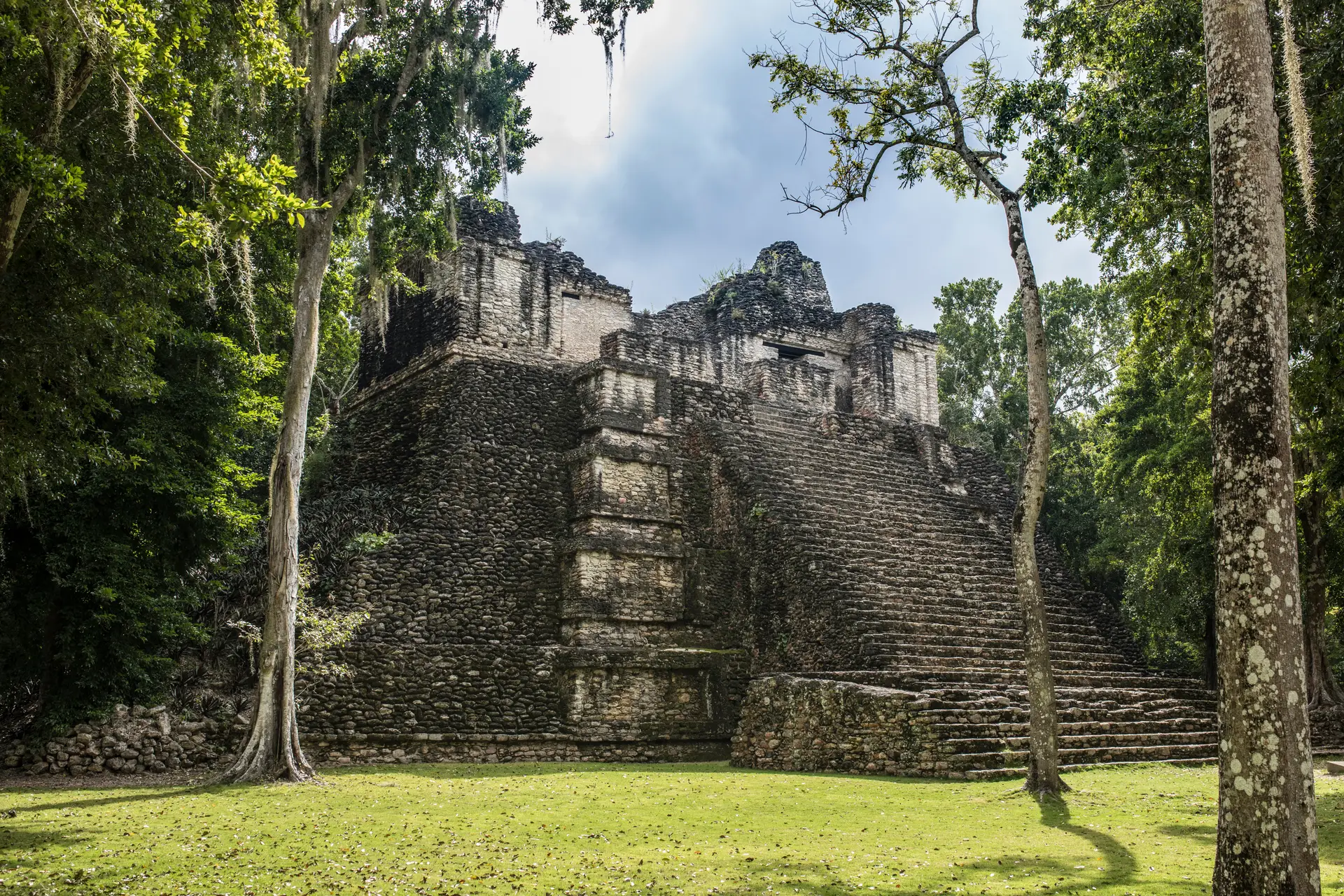
Travelers interested in the history of the area can explore our section dedicated to cultural tours and archaeological experiences around Tulum: these activities offer a broader introduction to the heritage of the region during a winter stay.
Overall, Christmas traditions remain part of everyday community life. Experiencing them with respect allows visitors to better understand this period of the year in Mexico: book your stay at The Beach Tulum Hotel today!